
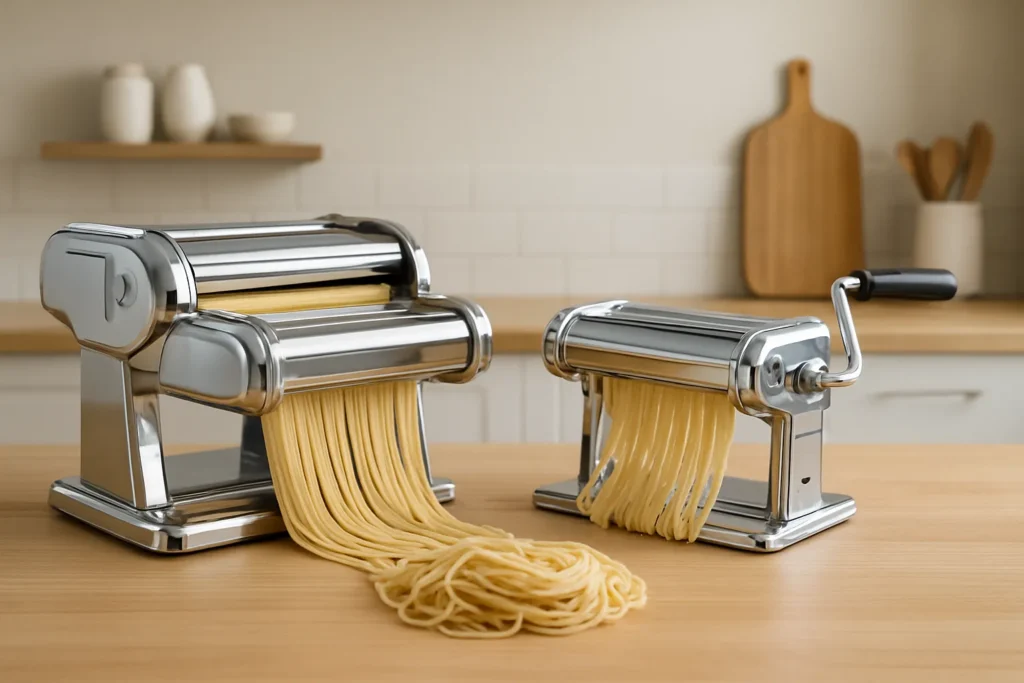
Choosing Between Electric and Manual Pasta Makers: A Guide to Pasta Makers for Home Cooks
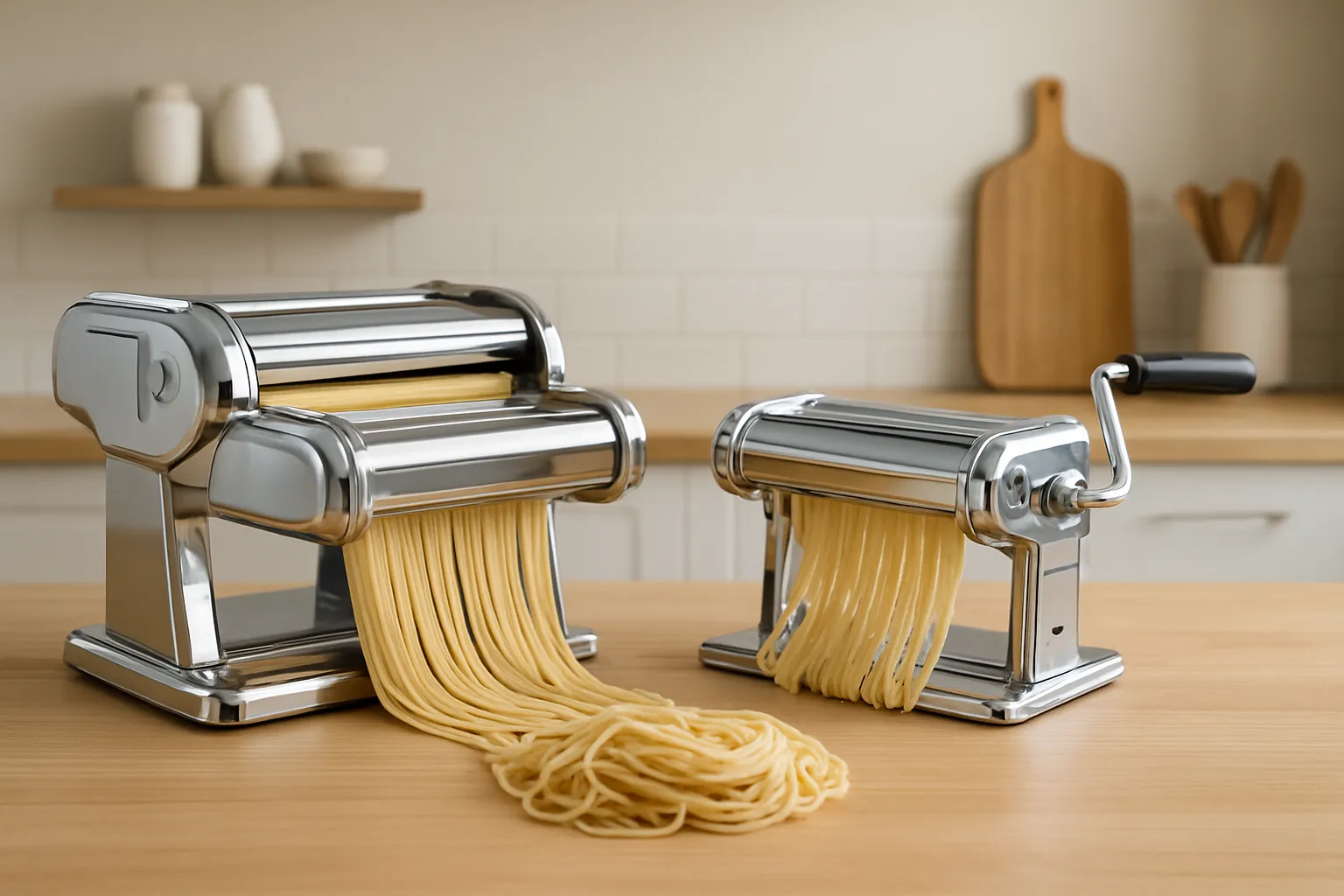
Pasta is more than just a meal; it’s a beloved staple that graces many dinner tables around the world. The preparation method can significantly influence its taste and texture, making the choice of pasta maker crucial for home cooks aiming to enhance their culinary skills. With two primary types available—electric and manual—selecting the right pasta maker can greatly impact your cooking experience. In this guide, we’ll delve into the specifications, use cases, and considerations for both electric and manual pasta makers, equipping you with the knowledge to make an informed decision.
Specifications of Electric Pasta Makers
Electric pasta makers are designed with convenience and efficiency in mind. They typically come with several key features that cater to modern home cooks.
- Key Features: Most electric pasta makers boast automatic mixing, kneading, and rolling functions, with various attachments for different pasta shapes. This allows users to whip up everything from fettuccine to lasagna with ease.
- Power and Performance: These machines operate with a motor that delivers consistent power, ensuring even dough consistency and thickness. This feature is particularly beneficial for those who may struggle with manual labor or have limited time for cooking. For further insights, check out this industry reference.
- Size and Capacity: Electric models are often bulkier than manual ones, requiring more counter space. However, they usually offer larger capacities, allowing users to produce more pasta in a single batch—ideal for family meals or gatherings.
Specifications of Manual Pasta Makers
In contrast, manual pasta makers provide a more hands-on approach to the pasta-making process.
- Key Features: These machines tend to be simpler, usually consisting of a hand-cranked roller and a cutting mechanism, making it straightforward to create fresh pasta.
- Ease of Use: While manual pasta makers require physical effort, many users appreciate the tactile experience of rolling out dough by hand. This method gives greater control over the thickness and texture of the pasta.
- Size and Portability: Manual pasta makers are generally compact and lightweight, making them easy to store and transport. This portability is a significant advantage for those with limited kitchen space or who enjoy cooking in various locations.
Use Cases for Electric Pasta Makers
Electric pasta makers excel in various scenarios, especially for busy home cooks.
- Ideal for Busy Home Cooks: For those balancing work and family life, electric pasta makers can drastically cut preparation time. The automated features allow multitasking, making it easier to prepare meals swiftly.
- Versatility in Pasta Types: Many electric models come with interchangeable attachments, enabling users to create a wide array of pasta types without needing to buy multiple tools. This versatility caters to diverse culinary preferences and dietary needs.
- Time Efficiency: With the capability to mix, knead, and roll dough in a fraction of the time it takes manually, electric models are perfect for those who want fresh pasta without spending hours in the kitchen.
Use Cases for Manual Pasta Makers
Manual pasta makers attract a different segment of home cooks, particularly those who value tradition and skill.
- Traditional Cooking Experience: For many, the process of making pasta by hand is a cherished culinary tradition. Manual pasta makers allow users to fully engage in the process, fostering a sense of accomplishment and connection to their food.
- Cost-Effectiveness: Generally, manual pasta makers are more affordable than electric counterparts. This makes them an appealing option for budget-conscious cooks who still wish to enjoy homemade pasta.
- Skill Development: Using a manual pasta maker helps cooks hone their culinary skills. The hands-on experience encourages experimentation with dough consistency and thickness, leading to a deeper understanding of the pasta-making process.
Comparison: Electric vs. Manual Pasta Makers
When weighing the options between electric and manual pasta makers, several factors warrant consideration.
- Performance and Output: Electric pasta makers generally provide more consistent performance and quicker output, making them suitable for large batches. In contrast, manual models offer a more personalized touch but require additional time and effort.
- Maintenance and Cleaning: Electric models may include more complex components that necessitate careful cleaning and maintenance. Manual pasta makers, being simpler, are typically easier to clean, with fewer parts to disassemble.
- Price Considerations: Electric pasta makers often carry a higher price tag, reflecting their advanced features and convenience. Manual models, while generally less expensive, may require extra purchases for various attachments if versatility is desired.
Sourcing and Purchasing Considerations
When it comes time to purchase a pasta maker, several considerations can help ensure you make the right choice.
- Where to Buy: Pasta makers are available at kitchen supply stores, online marketplaces, and specialty cooking shops. It’s wise to compare prices and read customer reviews before finalizing your decision.
- Brand Recommendations: Well-known brands like Marcato, KitchenAid, and Cuisinart offer reliable electric and manual pasta makers. Researching brand reputation and warranty options can guide your purchase effectively.
- Warranty and Support: Pay attention to the warranty and customer support options available for your chosen model. A solid warranty can offer peace of mind, particularly for electric pasta makers, which may require repairs or replacements.
Implementation Tips for Home Cooking
Successfully integrating a pasta maker into your home cooking routine involves a few best practices.
- Setting Up Your Pasta Maker: Ensure your pasta maker is set up according to the manufacturer’s instructions. For electric models, this may include plugging in the device and selecting the appropriate settings for your dough.
- Best Practices for Use: Regardless of the type, always start with well-prepared dough. Experimenting with different flour types and hydration levels can help you find the perfect balance for your pasta. For more information, check out our blog.
- Storage and Care: Proper storage is crucial for maintaining your pasta maker. Keep manual models in a dry place, and for electric models, ensure they are cleaned thoroughly after each use to prevent any buildup of flour or dough.
Frequently Asked Questions
Here are some common questions regarding pasta makers:
- Which is Easier to Use? Generally, electric pasta makers are easier for beginners due to their automated features. However, manual pasta makers offer a more engaging experience for those willing to invest the time.
- What is the Price Difference? Electric pasta makers typically range from $100 to $300, while manual models can be found for as little as $30 to $100, depending on the brand and features.
- Can I Make Gluten-Free Pasta? Yes, both electric and manual pasta makers can be used to create gluten-free pasta. However, gluten-free dough may require different handling techniques and adjustments in ingredient ratios.
In conclusion, the choice between an electric and manual pasta maker ultimately hinges on your cooking style, budget, and personal preferences. Electric pasta makers offer convenience and efficiency, making them perfect for busy households, while manual pasta makers provide a traditional cooking experience that many find deeply rewarding. By considering the specifications, use cases, and your own culinary goals, you can select the pasta maker that best aligns with your home cooking needs.