
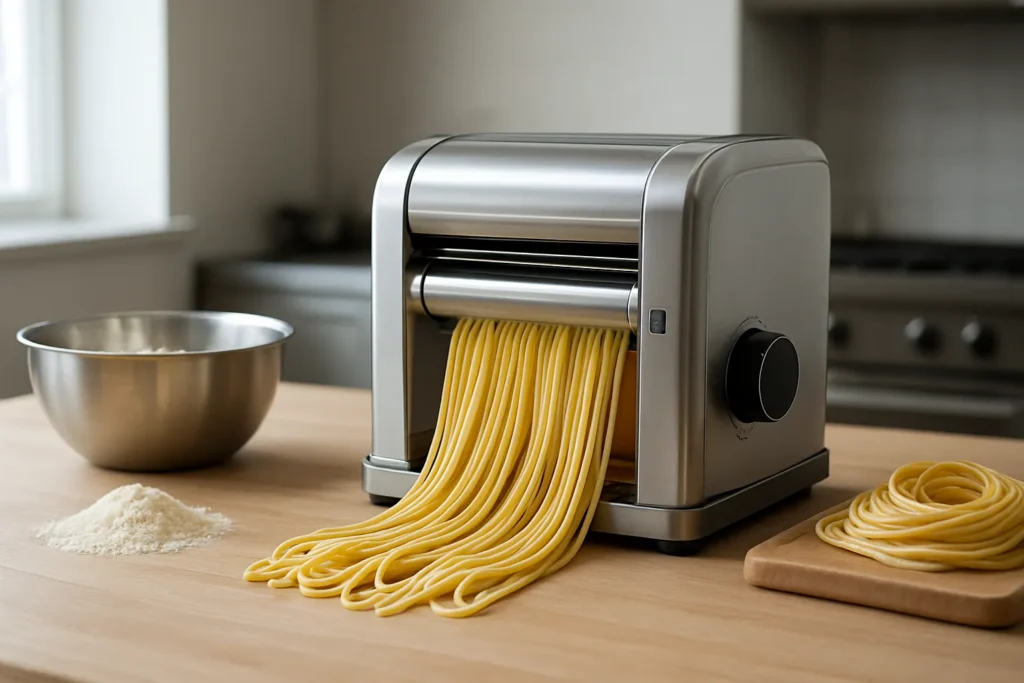
How to Choose the Best Electric Pasta Maker for Restaurants
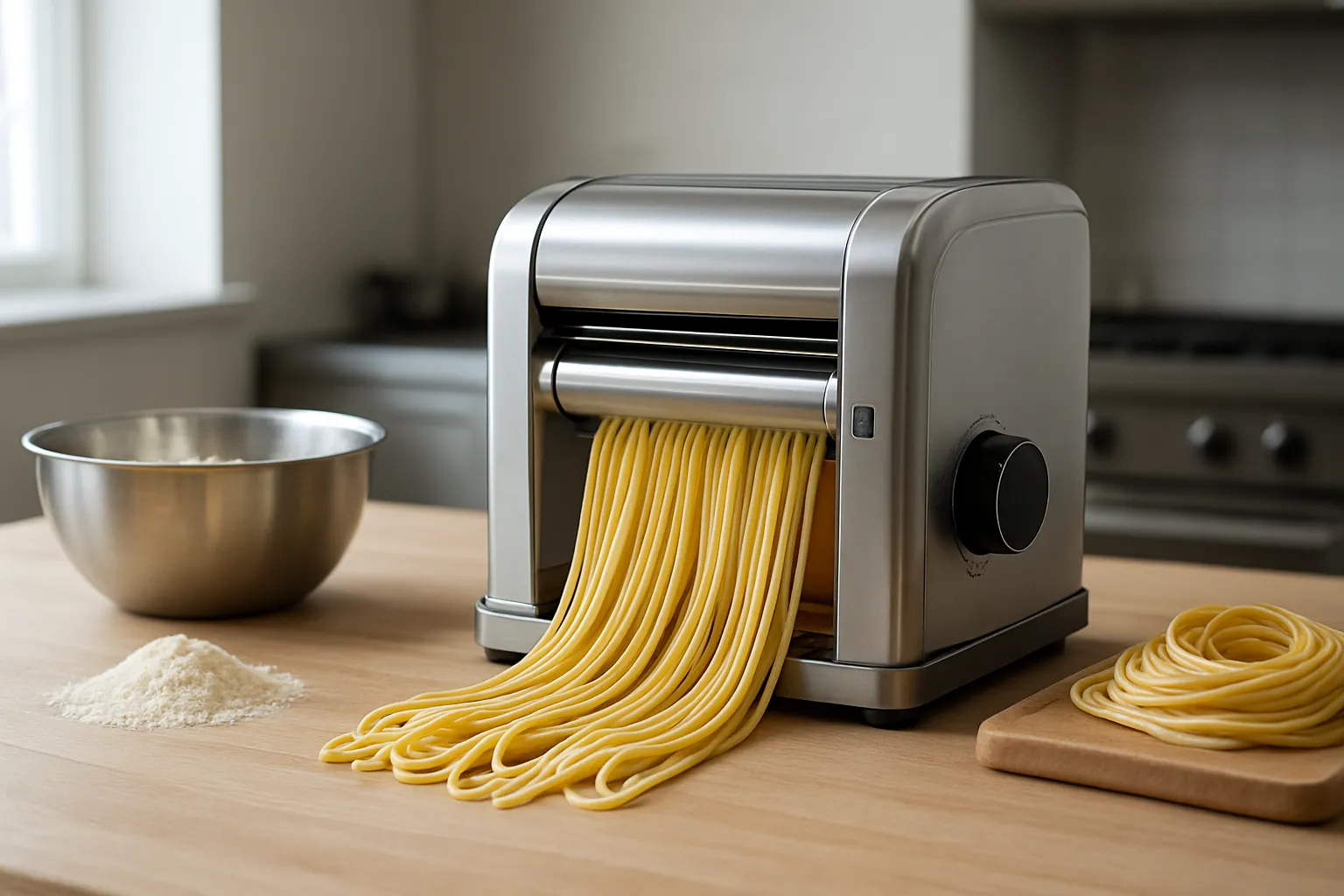
\n\n### 1. Introduction to Electric Pasta Makers\nElectric pasta makers have transformed the way restaurants produce pasta, combining efficiency with quality that traditional manual methods often struggle to achieve. These innovative machines automate the labor-intensive processes of mixing, kneading, and rolling dough, allowing chefs to devote more time to creativity and flavor development. For restaurants, an electric pasta maker is not merely a convenience; it is a crucial tool that can significantly enhance menu offerings and streamline kitchen operations.\n\nIn my experience, the impact of an electric pasta maker in a restaurant setting cannot be overstated. With the rising trend towards fresh, homemade pasta, having the right equipment can distinctly set a restaurant apart from its competitors. This article aims to guide you through the essential factors to consider when selecting the best electric pasta maker tailored to your restaurant’s needs.\n\n### 2. Key Specifications to Consider\nWhen looking to buy a pasta maker, several key specifications should be evaluated to ensure the machine aligns with your restaurant’s requirements.\n\n**Motor Power and Capacity** \nThe motor power of an electric pasta maker is vital for its performance. Generally, a higher wattage indicates a more robust machine capable of handling larger batches of dough. For commercial use, I recommend looking for models with at least 500 watts of power, as they can efficiently process dough without overheating. Additionally, consider the machine’s capacity: if your restaurant anticipates high demand, opt for a model that can produce several kilograms of pasta per hour.\n\n**Material and Build Quality** \nThe longevity of an electric pasta maker largely depends on the materials used in its construction. Stainless steel is the preferred choice for commercial environments due to its resistance to corrosion and ease of cleaning. Ensure that the machine features high-quality rollers and cutters, as these components will directly influence the texture and consistency of the pasta produced.\n\n**Size and Footprint** \nSpace is often at a premium in restaurant kitchens. Therefore, it’s essential to consider the size and footprint of the electric pasta maker. Measure the available space in your kitchen to ensure that the machine will fit comfortably, allowing for easy access and operation. Compact models may be suitable for smaller kitchens, while larger establishments may benefit from more substantial units capable of handling greater volumes.\n\n### 3. Use Cases for Electric Pasta Makers\nUnderstanding the specific use cases for electric pasta makers can help you choose the right model for your restaurant.\n\n**Types of Pasta Production** \nDifferent electric pasta makers are designed to produce various types of pasta, including spaghetti, fettuccine, lasagna, and more. If your restaurant specializes in a particular style of pasta, ensure that the machine you choose can accommodate those needs. Some models offer interchangeable attachments for creating different pasta shapes, providing greater versatility in your menu.\n\n**Volume and Frequency of Use** \nConsider how often you will use the pasta maker. If your restaurant serves pasta dishes daily, investing in a high-capacity model might be worthwhile. Conversely, if pasta is merely a side offering, a smaller, less expensive model may suffice. Assessing your volume requirements will help you make a more informed decision.\n\n**Customization Options** \nCustomization is another critical aspect to consider. Some electric pasta makers allow for adjustments in thickness and texture, enabling chefs to create pasta tailored to specific recipes. Look for models that offer variable settings, as this can significantly enhance your culinary flexibility.\n\n### 4. Comparing Different Models\nWith numerous brands and models available, comparing electric pasta makers is essential.\n\n**Top Brands in the Market** \nSome leading brands in the electric pasta maker market include Marcato, Imperia, and Philips. Each brand offers unique features and benefits, so it’s important to research their offerings and read reviews from other restaurant owners. For more insights, consider checking out an industry reference on electric pasta makers.\n\n**Price Range Analysis** \nThe price of electric pasta makers can vary significantly, ranging from a few hundred to several thousand dollars. While it may be tempting to choose the cheapest option, consider the long-term investment. A higher-quality machine may come with a higher upfront cost but can lead to savings in labor and increased customer satisfaction over time.\n\n**Feature Comparison** \nWhen comparing models, create a checklist of essential features such as motor power, capacity, ease of use, and available attachments. This systematic approach will help you narrow down your options and find the best electric pasta maker for your restaurant’s unique needs.\n\n### 5. Sourcing Your Electric Pasta Maker\nOnce you have determined the specifications and features you need, the next step is sourcing your electric pasta maker.\n\n**Where to Buy Electric Pasta Makers** \nElectric pasta makers can be purchased from various sources, including restaurant supply stores, online retailers, and directly from manufacturers. Online platforms often provide a wider selection and competitive pricing, but be sure to check the reliability of the seller and the return policy.\n\n**Evaluating Suppliers and Distributors** \nWhen choosing a supplier, consider their reputation in the industry. Look for suppliers who specialize in commercial kitchen equipment and have positive reviews from other restaurant owners. This ensures you receive not only a quality product but also reliable customer service and support.\n\n**Warranty and Support Considerations** \nBefore finalizing your purchase, review the warranty and support options available. A solid warranty can protect your investment in case of defects or issues, while good customer support can assist you in troubleshooting and maintenance.\n\n### 6. Implementation in Your Restaurant\nAfter purchasing your electric pasta maker, it’s time to implement it in your restaurant.\n\n**Installation Requirements** \nEnsure that you have the necessary electrical outlets and space for your new machine. Follow the manufacturer’s instructions for installation to avoid any operational issues.\n\n**Staff Training and Usage** \nProper training for your staff is crucial for maximizing the benefits of your electric pasta maker. Conduct training sessions to familiarize your team with the machine’s functions, maintenance, and safety protocols. This will help prevent accidents and ensure consistent pasta quality.\n\n**Maintenance and Cleaning Tips** \nRegular maintenance and cleaning are essential to prolong the life of your electric pasta maker. Follow the manufacturer’s cleaning guidelines, which often include disassembling parts for thorough cleaning. Additionally, schedule periodic maintenance checks to keep the machine in optimal condition.\n\n### 7. Frequently Asked Questions\n**Common Concerns About Electric Pasta Makers** \nMany restaurant owners worry about the reliability and longevity of electric pasta makers. Choosing a high-quality model and adhering to maintenance guidelines can alleviate these concerns.\n\n**Troubleshooting Tips** \nIf you encounter issues with your pasta maker, consult the user manual for troubleshooting steps. Common problems may include dough sticking or uneven pasta thickness, which can often be resolved with minor adjustments.\n\n**Best Practices for Longevity** \nTo ensure your electric pasta maker lasts, always clean it after use, avoid overloading it beyond its capacity, and follow the manufacturer’s recommendations for use and maintenance.\n\n### Conclusion\nChoosing the best electric pasta maker for your restaurant involves careful consideration of various factors, including specifications, intended use, and sourcing options. By investing in a quality machine that meets your specific needs, you can enhance your menu offerings, streamline kitchen operations, and ultimately delight your customers with fresh, homemade pasta. With the right electric pasta maker, your restaurant can stand out in a competitive market, providing a unique dining experience that showcases the art of pasta-making.