
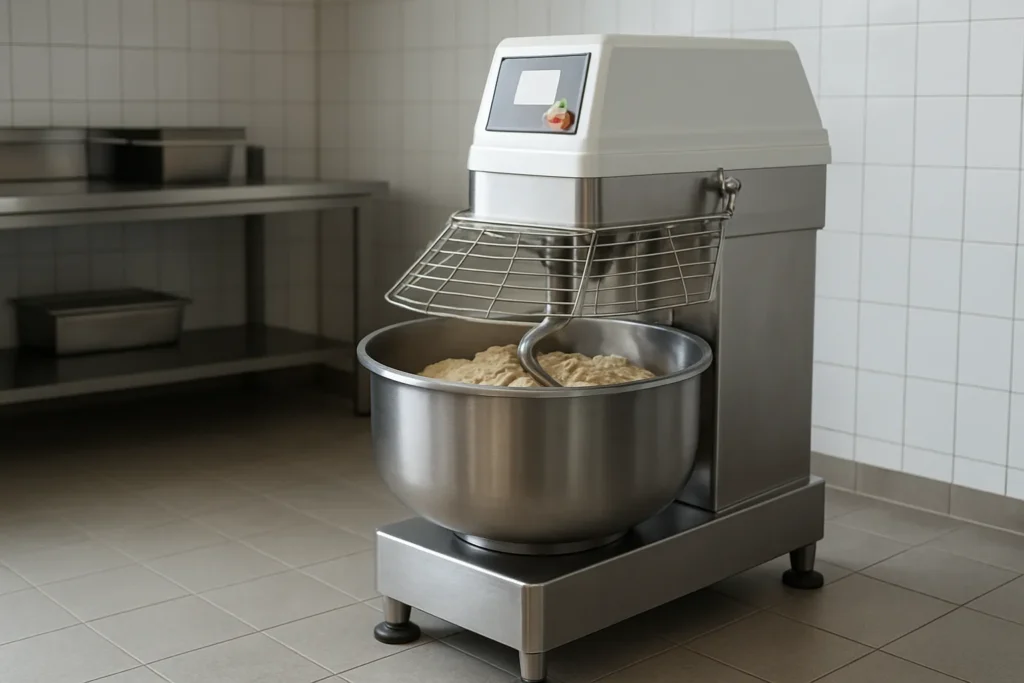
The Advantages of Multi-Purpose Dough Mixers in Food Processing
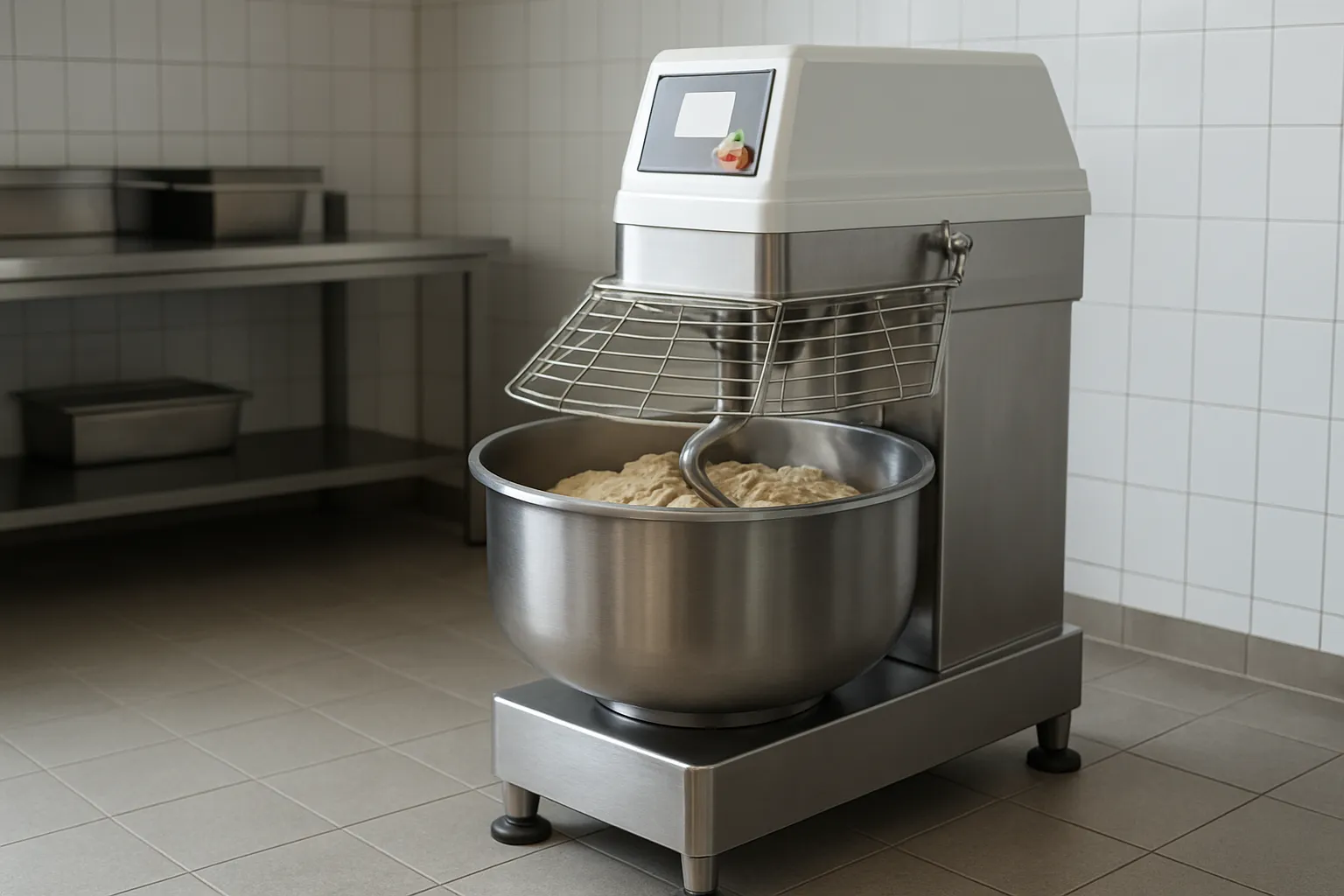
A Multi-Purpose Dough Mixer is an essential piece of equipment in the food processing industry, designed to streamline the mixing process for various types of dough. This versatile machine can handle a wide range of mixing tasks, making it invaluable for bakeries, restaurants, and food manufacturers alike. With the increasing demand for consistency and quality in food products, a reliable dough mixer is crucial. Not only does it enhance productivity, but it also ensures that the end product meets stringent quality standards.
Key Specifications of Multi-Purpose Dough Mixers
When considering the purchase of a dough mixer, understanding its key specifications is crucial for making an informed decision.
- Capacity and Size Options: Multi-Purpose Dough Mixers come in various sizes to accommodate different production needs. From small countertop models ideal for artisanal bakeries to large industrial mixers capable of handling hundreds of pounds of dough, selecting the right size is essential for operational efficiency.
- Motor Power and Efficiency: The motor power of a dough mixer directly influences its performance. A powerful motor can tackle thicker doughs and larger batches, which is particularly critical in high-volume production settings. Additionally, modern mixers are designed to minimize energy consumption while maximizing output, making efficiency a key factor.
- Material and Build Quality: Durability is paramount in a busy food processing environment. High-quality materials, like stainless steel, not only ensure longevity but also facilitate easy cleaning and maintenance, significantly reducing the risk of contamination.
Use Cases in Food Processing
Multi-Purpose Dough Mixers are incredibly versatile and find applications across various sectors of food processing.
- Bakery Applications: In bakeries, these mixers are essential for preparing bread, pastries, and cakes. Their ability to mix different types of dough allows bakers to experiment with new recipes and maintain consistent quality across products.
- Pasta and Noodle Production: For manufacturers of pasta and noodles, a Multi-Purpose Dough Mixer can efficiently combine flour, water, and other ingredients to create the perfect dough texture, which is essential for high-quality pasta products. For more technical insights, refer to this technical reference.
- Pizza Dough Preparation: The pizza industry benefits significantly from these mixers, as they can produce large batches of dough quickly and uniformly. This ensures that each pizza crust has the same texture and flavor, which is crucial for customer satisfaction.
Advantages of Multi-Purpose Dough Mixers
Investing in a Multi-Purpose Dough Mixer offers several advantages that can significantly impact food processing operations.
- Versatility and Flexibility: One of the primary benefits is the versatility of these mixers. They can handle various dough types, including bread, pizza, and pastry, making them suitable for businesses that offer a diverse range of products.
- Time and Labor Savings: Automating the mixing process not only saves time but also reduces labor costs. With a Multi-Purpose Dough Mixer, businesses can streamline their operations, allowing staff to focus on other critical tasks.
- Consistency in Product Quality: Consistency is key in food production. A high-quality dough mixer ensures that every batch of dough is mixed to the same standard, helping maintain the quality and taste of the final product.
Comparison with Other Food Processing Machinery
When evaluating the benefits of a Multi-Purpose Dough Mixer, it’s helpful to compare it with other food processing machinery.
- Standalone Mixers vs. Multi-Purpose Mixers: Standalone mixers are typically designed for specific tasks, while Multi-Purpose Mixers offer the flexibility to handle various types of dough. This adaptability can be a significant advantage for businesses looking to diversify their product offerings.
- Cost-Effectiveness Analysis: While the initial investment in a Multi-Purpose Dough Mixer may be higher than that of a standalone mixer, the long-term savings in labor and increased production efficiency often justify the cost.
- Performance Metrics: Performance metrics such as mixing speed, batch size, and energy consumption can help businesses assess the effectiveness of a Multi-Purpose Dough Mixer compared to other machinery. A well-performing mixer can enhance overall productivity and reduce operational costs.
Sourcing and Purchasing a Dough Mixer
When it comes to purchasing a dough mixer, several key factors should be considered.
- Key Factors to Consider: Businesses should evaluate their production needs, including the types of dough they will be mixing and the volume of production. Features such as ease of use, maintenance requirements, and warranty should also be taken into account.
- Where to Buy Multi-Purpose Dough Mixers: Multi-Purpose Dough Mixers can be sourced from various suppliers, including specialized food processing machinery manufacturers, online marketplaces, and local distributors. It’s essential to choose a reputable supplier that offers quality products and reliable customer support. For more information on our offerings, visit our product page.
- Supplier Reputation and Reviews: Before making a purchase, businesses should research the reputation of potential suppliers. Customer reviews and testimonials can provide valuable insights into the performance and reliability of the mixers offered.
Implementation and Maintenance Tips
Successful implementation and maintenance of a Multi-Purpose Dough Mixer are essential for maximizing its lifespan and performance.
- Installation Guidelines: Proper installation is critical. Follow the manufacturer’s guidelines for setup to ensure optimal operation. This includes ensuring adequate space, proper electrical connections, and compliance with safety standards.
- Regular Maintenance Practices: Routine maintenance, such as cleaning and lubrication, is vital to keep the mixer in good working condition. Regular checks can prevent breakdowns and extend the machine’s lifespan.
- Troubleshooting Common Issues: Familiarizing staff with common issues, such as noise during operation or inconsistent mixing, can help in quickly identifying and resolving problems, minimizing downtime.
Frequently Asked Questions (FAQs)
- What is the lifespan of a dough mixer? The lifespan of a Multi-Purpose Dough Mixer can vary based on usage and maintenance, but with proper care, they can last for many years, often exceeding a decade.
- Can a multi-purpose mixer handle different dough types? Yes, a Multi-Purpose Dough Mixer is designed to handle various dough types, making it suitable for different applications within the food processing industry.
- How to choose the right mixer for my business? Consider factors such as production volume, dough types, available space, and budget. Evaluating these aspects will help you select the most suitable mixer for your specific needs.
Conclusion
In summary, a Multi-Purpose Dough Mixer is a vital investment for any business involved in food processing. Its versatility, efficiency, and ability to produce consistent quality make it an indispensable tool in today’s competitive market. By understanding the key specifications, advantages, and practical applications of these mixers, businesses can make informed decisions that enhance their production capabilities and ultimately lead to greater customer satisfaction. As the food industry continues to evolve, the role of advanced machinery like the Multi-Purpose Dough Mixer will only become more significant.